

Hybrid vs Electric Vehicles at Walser Hyundai Brooklyn Park: Which One Fits Your Life?
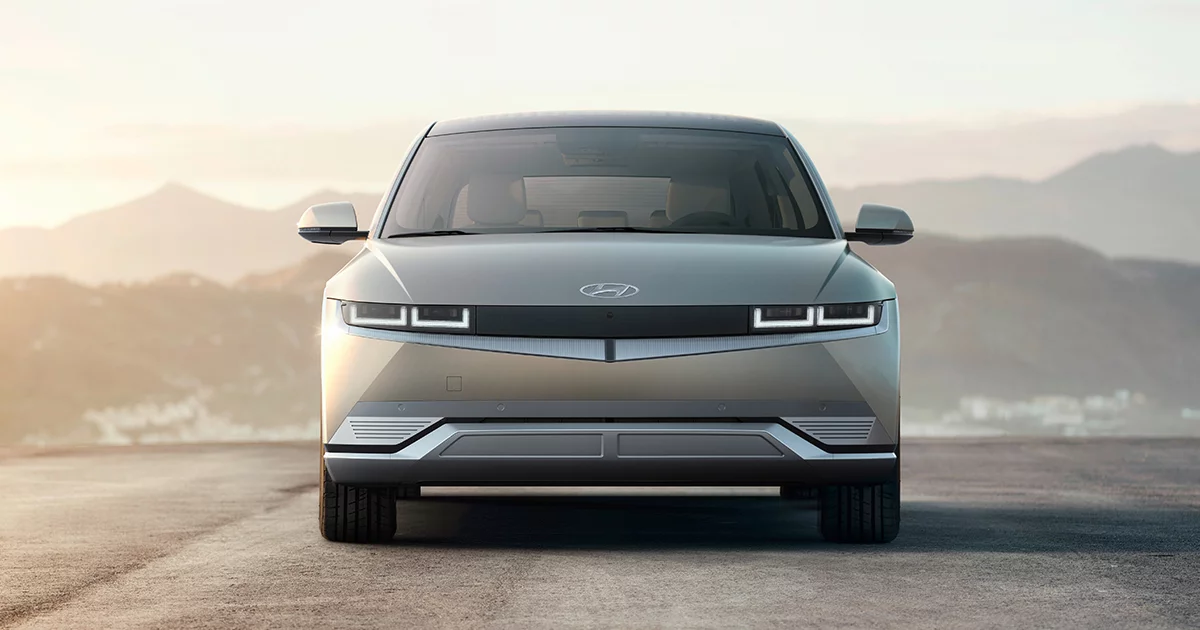
Hybrid vs Electric Vehicles: Which One Is Right for You?
Choosing between hybrid vs electric vehicles is one of the biggest decisions many drivers face when shopping for their next SUV or sedan. As gas prices shift, EV technology improves, and more drivers prioritize fuel savings, understanding the difference between electric vs hybrid vehicles becomes essential.
Both options offer better efficiency and lower emissions than traditional gas-powered vehicles—but they work in very different ways.
If you’re comparing hybrid vs EV cars near Brooklyn Park, Maple Grove, Plymouth, or Minneapolis, this guide will help you understand which option best fits your lifestyle, budget, and daily commute.
What Is a Hybrid Vehicle?
A hybrid vehicle combines a traditional gasoline engine with an electric motor. The system automatically switches between the two power sources to improve fuel economy and reduce fuel consumption.
Unlike fully electric vehicles, most hybrid cars do not require external charging.
Do hybrid cars need to be charged?
Traditional hybrid vehicles do not need to be plugged in.
Instead, the battery recharges automatically through:
- Regenerative braking
- The gasoline engine itself
This makes hybrid vehicles a popular choice for drivers who want better MPG without changing their normal driving habits.
For many shoppers researching hybrid vs electric vehicles, this convenience is a major deciding factor.
What Is an Electric Vehicle (EV)?
Electric vehicles (EVs) run entirely on battery power and do not use gasoline at all.
That means:
- No gas engine
- No oil changes
- No tailpipe emissions
EVs must be plugged in to recharge, either at home or at public charging stations throughout the Twin Cities area.
Many modern Hyundai EVs now offer 250+ miles of driving range, making them practical for commuting, errands, and even longer road trips with proper planning.
When comparing electric vs hybrid vehicles, EVs offer the most dramatic reduction in fuel costs and emissions.
Plug In Hybrid vs Electric Vehicle
Plug-in hybrid vehicles (PHEVs) offer a middle ground between traditional hybrids and full EVs.
They include:
- A larger battery than standard hybrids
- Limited all-electric driving range
- The ability to charge by plugging in
- A gasoline engine for backup when needed
When comparing plug-in hybrid vs electric vehicle options, many drivers appreciate the flexibility of a PHEV while still reducing fuel use significantly.
EVs, however, provide full electrification and eliminate gasoline entirely.
Hybrid vs Electric: Pros and Cons
Every vehicle type has strengths and trade-offs. Understanding the hybrid vs electric cars pros and cons will help clarify which fits your needs.
Advantages of Hybrid Vehicles
Hybrid vehicles offer:
- No need to plug in
- Excellent fuel economy
- Lower starting price than many EVs
- Familiar gas-powered driving experience
- Longer total driving range
For drivers who commute often or travel frequently throughout Minnesota, hybrids provide flexibility without requiring charging infrastructure.
This is why many drivers comparing hybrid vs EV cars start with hybrid options first.
Advantages of Electric Vehicles
Electric vehicles offer:
- Zero tailpipe emissions
- No gasoline costs
- Fewer moving mechanical parts
- Quiet, smooth acceleration
- Reduced maintenance needs
In the electric vs hybrid vehicles discussion, EVs often provide the strongest long-term savings and the lowest day-to-day operating costs.
They also deliver a premium driving experience many drivers don’t expect until they test drive one.
Potential Drawbacks to Consider
Hybrid vehicles still require gasoline and regular engine maintenance like oil changes.
EVs require:
- Access to charging
- Some planning for longer trips
- Awareness of winter range reduction in colder climates
When comparing hybrid vs electric vehicles, the best option depends on your daily driving patterns—not simply which one sounds better on paper.
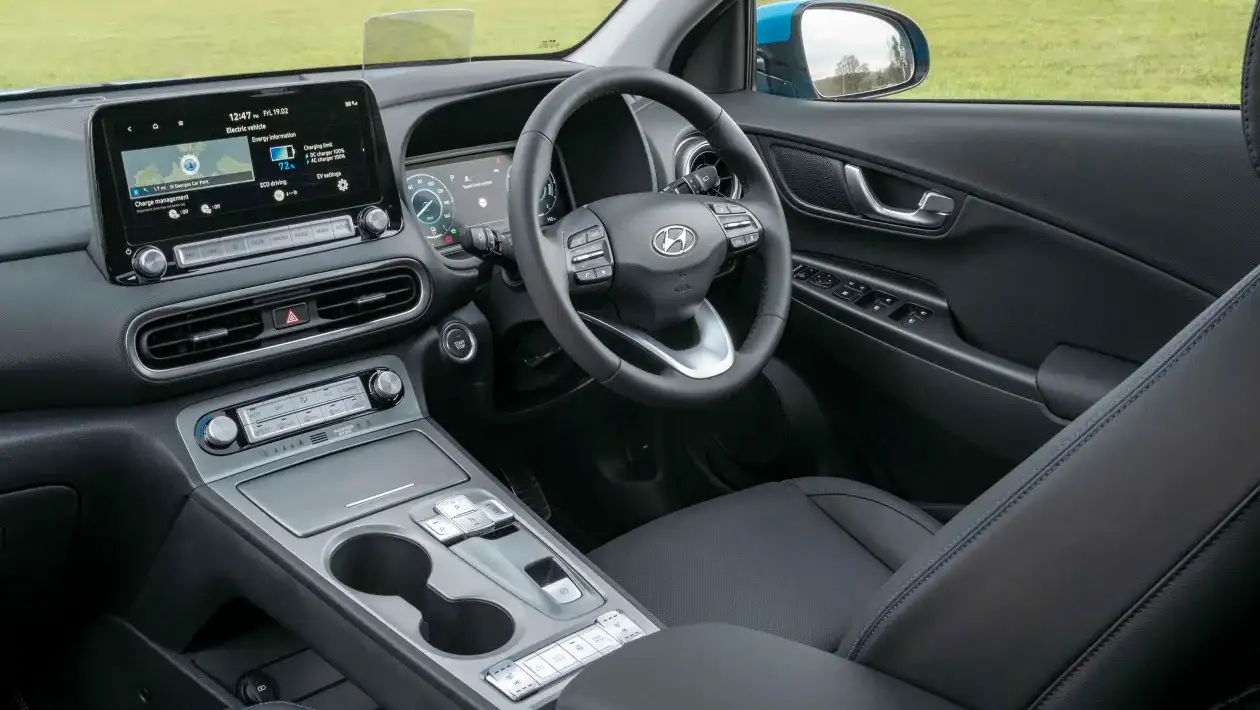
Hybrid vs Electric Cost Comparison
Cost is often the deciding factor in the hybrid vs electric vehicles decision. Let’s break it down.
Upfront Purchase Price
-
Hybrid vehicles often have a lower starting MSRP than fully electric vehicles.
However, some EVs may qualify for:
- Federal tax incentives
- State rebates
- Utility company charging incentives
This can reduce the price gap significantly.
Fuel vs Charging Costs
- Hybrids reduce gasoline usage but do not eliminate it. EVs eliminate gasoline entirely. Charging at home often costs less per mile than fueling with gas.
Maintenance Costs
When comparing hybrid vs electric vehicles, EVs usually require:
- No oil changes
- No spark plugs
- Fewer moving engine components
- Less frequent brake service due to regenerative braking
Hybrids still require engine-related maintenance, though they also benefit from reduced brake wear.
Over time, EV ownership costs can be lower for many drivers.
Do Hybrid Cars Need to Be Charged?
This question deserves its own clear answer because it’s searched so frequently. Traditional hybrids do not need to be plugged in — the system automatically recharges while driving through regenerative braking and the gasoline engine. Plug-in hybrids, however, do benefit from charging to maximize electric driving range, but they can still operate on gasoline if not plugged in. Understanding this distinction is critical when comparing plug-in hybrid vs electric vehicle options.
Hybrid Cars in Winter vs Electric Cars in Winters

Hybrid Cars in Winter
Hybrid vehicles perform very similarly to gas-powered vehicles in cold weather. Since they still use a gasoline engine, range stays consistent even during freezing temperatures.
Electric Car in Winters
Electric cars can experience temporary range reduction in cold weather because battery performance changes with temperature.
Cabin heating also uses battery energy.
However, modern Hyundai EVs include features like:
- Battery thermal management systems
- Remote preconditioning
- Heated seats and steering wheels
- Smart energy efficiency systems
When comparing hybrid vs electric in winter, hybrids offer consistency, while EVs simply require a little more planning.
Which Is Better: Hybrid vs EV Cars?
There isn’t one perfect answer.
A hybrid may be better for you if:
- You drive long distances often
- You don’t have access to home charging
- You want better MPG without changing your routine
- You want a lower starting price
An electric vehicle may be better if:
- You can charge at home
- Your daily commute fits within EV range
- You want to eliminate gas costs
- You prefer all-electric performance and technology
When comparing electric vs hybrid vehicles, the best choice comes down to how you actually use your vehicle every day.
Why Hyundai Excels in Both Hybrid and Electric Vehicles
If you’re comparing hybrid vs electric vehicles, Hyundai offers one of the strongest lineups available today.
Popular Hyundai hybrid models include:
Plug-in hybrid options include:
Popular Hyundai EV models include:
Hyundai continues to stand out for its advanced safety features, modern design, strong warranty coverage, and excellent value.
For drivers shopping hybrid vs EV cars near Brooklyn Park, Hyundai offers flexibility without compromise.
Explore Hybrid and Electric Vehicles at Walser Hyundai Coon Rapids
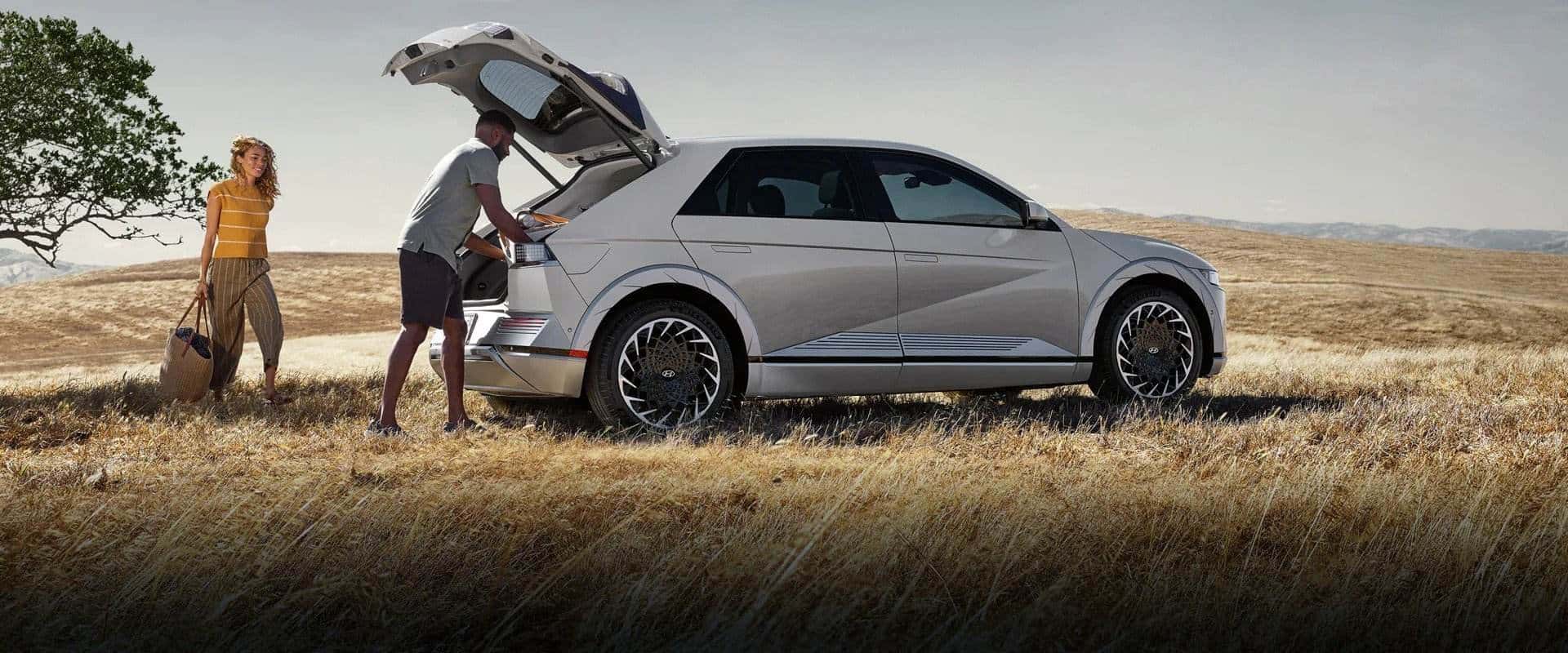
Reading about hybrid vs electric vehicles helps—but getting behind the wheel makes the decision easier.
At Walser Hyundai Brooklyn Park, you can compare hybrid and electric models side by side, test drive both options, and talk through real-world ownership costs with our team.
We help drivers throughout Brooklyn Park, Maple Grove, Plymouth, Champlin, and Minneapolis understand charging options, winter performance, fuel savings, and available incentives so they can make the right decision with confidence.
Whether you’re considering your first hybrid SUV or making the switch to a fully electric Hyundai EV, we’re here to help.
Schedule a Hybrid or EV Test Drive
Start Your Hybrid vs Electric Comparison Today
Still deciding between hybrid vs electric vehicles?
The best next step is seeing them in person.
Browse our current Hyundai hybrid and electric inventory online or visit Walser Hyundai Brooklyn Park to speak with a product specialist. We’ll help you compare costs, performance, features, and long-term value so you can choose the vehicle that fits your life best.
Your next Hyundai is waiting—let’s find it together.